Science: Curiosity, Enquiry & Aspiration


At Kirkstall Valley, Science is about understanding the world around us. We aim to harness children’s natural curiosity, encouraging them to ask questions, investigate phenomena, and explain what they discover.

Our curriculum is designed to build both Substantive Knowledge (the specific facts and concepts of Biology, Chemistry, and Physics) and Disciplinary Knowledge (the skills needed to work scientifically).

Please find here the primary national curriculum for science


Our Curriculum Structure


Key Stage 1: Thematic & Connected In Key Stage 1, Science is taught through our creative two-year rolling programme. While it sits alongside subjects like Geography and Art, we ensure that Science maintains its disciplinary rigour.

  • Meaningful links are made to the wider topic, but the scientific concepts and vocabulary are taught explicitly.

  • For example, a topic on 'Growth' might link Art (observational drawing of plants) with Science (identifying parts of a plant).

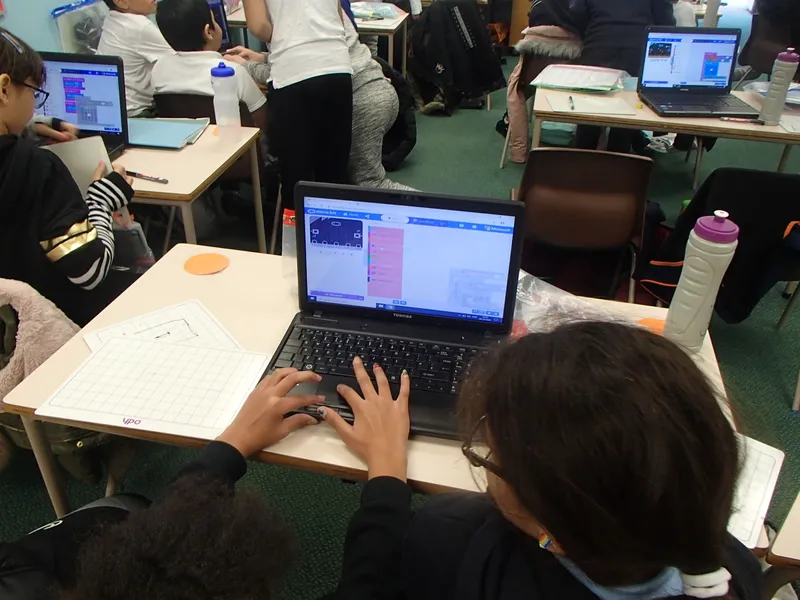
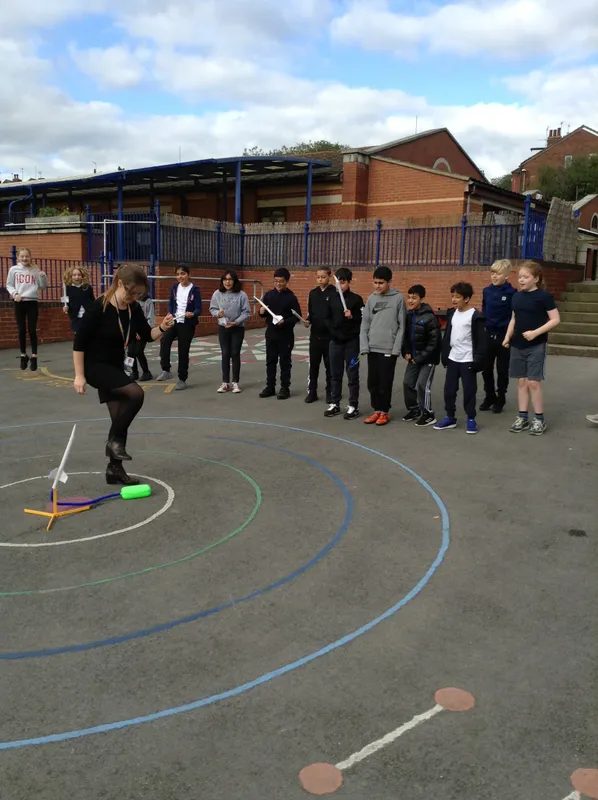
Key Stage 2: Discrete & Deep In Key Stage 2, Science is taught as a discrete subject every week. This allows for a deeper dive into complex concepts and ensures dedicated time for practical investigation.

We have adapted the Engaging Science scheme of work to ensure a perfect balance between knowledge and enquiry. We are also proud to have received specialist CPD from the National STEM Learning Centre at the University of York, ensuring our staff are equipped with the latest pedagogical research.


STEM Heroes: Inspiring the Next Generation


We believe that "you can't be what you can't see."

To inspire our children and broaden their horizons, we have embedded STEM Heroes into every unit of work. These are real-life scientists, engineers, and innovators who represent the diverse world we live in.

  • Representation Matters: We consciously select STEM Heroes from a wide range of backgrounds, genders, and ethnicities.

  • Real-Life Context: When learning about Space, we might look at Mae Jemison (the first Black woman in space); when studying fossils, we look at Mary Anning.

  • Aspiration: By learning about the journeys of these individuals, children understand that a career in STEM (Science, Technology, Engineering, and Maths) is a possibility for them.

We link this learning to our 15 STEM characteristics, helping our children build a bridge between their self-concept, and their concepts of scientists and others who work in STEM. We aim to encourage our children to see themselves as having the skills to work in STEM.
 
STEM Characteristics: Collaborative, Committed, Communicator, Creative, Curious, Hard-working, Imaginative, Logical, Observant, Open-minded, Organised, Passionate, Patient, Resilient and Self-Motivated.
 

Please see our STEM Heroes and Careers Long Term Plan for further information.

Working Scientifically


Science is not just a body of knowledge; it is a way of working. We map "Working Scientifically" objectives across the school to ensure children repeatedly access the five key types of enquiry:

  1. Pattern Seeking

  2. Research

  3. Fair Testing

  4. Identifying & Classifying

  5. Observation over time


Early Years: Understanding the World


In the Early Years (Nursery and Reception), Science is explored through the "Understanding the World" area of learning.

  • Exploration: Science is integrated into continuous provision. Children learn about floating and sinking at the water tray, observe seasonal changes in the outdoor area, and explore materials in the construction zone.

  • Explicit Teaching: We also plan explicit teaching moments to introduce scientific vocabulary (e.g., melt, freeze, habitat) and simple investigations.


Assessment


We assess Science in two ways to ensure children are making progress in both facts and skills:

  • Knowledge (Substantive): We use regular low-stakes quizzing and retrieval practice to ensure key facts stick in the long-term memory.

  • Skills (Disciplinary): We use the TAPS (Teacher Assessment in Primary Science) focused assessment tasks. These allow teachers to assess practical skills—such as measuring accurately or drawing a conclusion—during hands-on lessons.


Subject Leadership

 
For information about our science curriculum, please speak to Mrs Cannan.
 

Working Scientifically and Assessment
Reception Foundation Subjects

Key Stage 1

Year 3

Year 4

Year 5

Year 6


Gallery - created at 2021-02-10 13:49:03 - image 1
Gallery - created at 2021-02-10 13:49:03 - image 2
Gallery - created at 2021-02-10 13:49:03 - image 3
Gallery - created at 2021-02-10 13:49:03 - image 4

Science: Curiosity, Enquiry & Aspiration


At Kirkstall Valley, Science is about understanding the world around us. We aim to harness children’s natural curiosity, encouraging them to ask questions, investigate phenomena, and explain what they discover.

Our curriculum is designed to build both Substantive Knowledge (the specific facts and concepts of Biology, Chemistry, and Physics) and Disciplinary Knowledge (the skills needed to work scientifically).

Please find here the primary national curriculum for science


Our Curriculum Structure


Key Stage 1: Thematic & Connected In Key Stage 1, Science is taught through our creative two-year rolling programme. While it sits alongside subjects like Geography and Art, we ensure that Science maintains its disciplinary rigour.

  • Meaningful links are made to the wider topic, but the scientific concepts and vocabulary are taught explicitly.

  • For example, a topic on 'Growth' might link Art (observational drawing of plants) with Science (identifying parts of a plant).

Key Stage 2: Discrete & Deep In Key Stage 2, Science is taught as a discrete subject every week. This allows for a deeper dive into complex concepts and ensures dedicated time for practical investigation.

We have adapted the Engaging Science scheme of work to ensure a perfect balance between knowledge and enquiry. We are also proud to have received specialist CPD from the National STEM Learning Centre at the University of York, ensuring our staff are equipped with the latest pedagogical research.


STEM Heroes: Inspiring the Next Generation


We believe that "you can't be what you can't see."

To inspire our children and broaden their horizons, we have embedded STEM Heroes into every unit of work. These are real-life scientists, engineers, and innovators who represent the diverse world we live in.

  • Representation Matters: We consciously select STEM Heroes from a wide range of backgrounds, genders, and ethnicities.

  • Real-Life Context: When learning about Space, we might look at Mae Jemison (the first Black woman in space); when studying fossils, we look at Mary Anning.

  • Aspiration: By learning about the journeys of these individuals, children understand that a career in STEM (Science, Technology, Engineering, and Maths) is a possibility for them.

We link this learning to our 15 STEM characteristics, helping our children build a bridge between their self-concept, and their concepts of scientists and others who work in STEM. We aim to encourage our children to see themselves as having the skills to work in STEM.
 
STEM Characteristics: Collaborative, Committed, Communicator, Creative, Curious, Hard-working, Imaginative, Logical, Observant, Open-minded, Organised, Passionate, Patient, Resilient and Self-Motivated.
 

Please see our STEM Heroes and Careers Long Term Plan for further information.

Working Scientifically


Science is not just a body of knowledge; it is a way of working. We map "Working Scientifically" objectives across the school to ensure children repeatedly access the five key types of enquiry:

  1. Pattern Seeking

  2. Research

  3. Fair Testing

  4. Identifying & Classifying

  5. Observation over time


Early Years: Understanding the World


In the Early Years (Nursery and Reception), Science is explored through the "Understanding the World" area of learning.

  • Exploration: Science is integrated into continuous provision. Children learn about floating and sinking at the water tray, observe seasonal changes in the outdoor area, and explore materials in the construction zone.

  • Explicit Teaching: We also plan explicit teaching moments to introduce scientific vocabulary (e.g., melt, freeze, habitat) and simple investigations.


Assessment


We assess Science in two ways to ensure children are making progress in both facts and skills:

  • Knowledge (Substantive): We use regular low-stakes quizzing and retrieval practice to ensure key facts stick in the long-term memory.

  • Skills (Disciplinary): We use the TAPS (Teacher Assessment in Primary Science) focused assessment tasks. These allow teachers to assess practical skills—such as measuring accurately or drawing a conclusion—during hands-on lessons.


Subject Leadership

 
For information about our science curriculum, please speak to Mrs Cannan.
 

Working Scientifically and Assessment
Reception Foundation Subjects

Key Stage 1

Year 3

Year 4

Year 5

Year 6


Gallery - created at 2021-02-10 13:49:03 - image 1
Gallery - created at 2021-02-10 13:49:03 - image 2
Gallery - created at 2021-02-10 13:49:03 - image 3
Gallery - created at 2021-02-10 13:49:03 - image 4